How to Reduce Tenant Turnover (Without Cutting Rent)
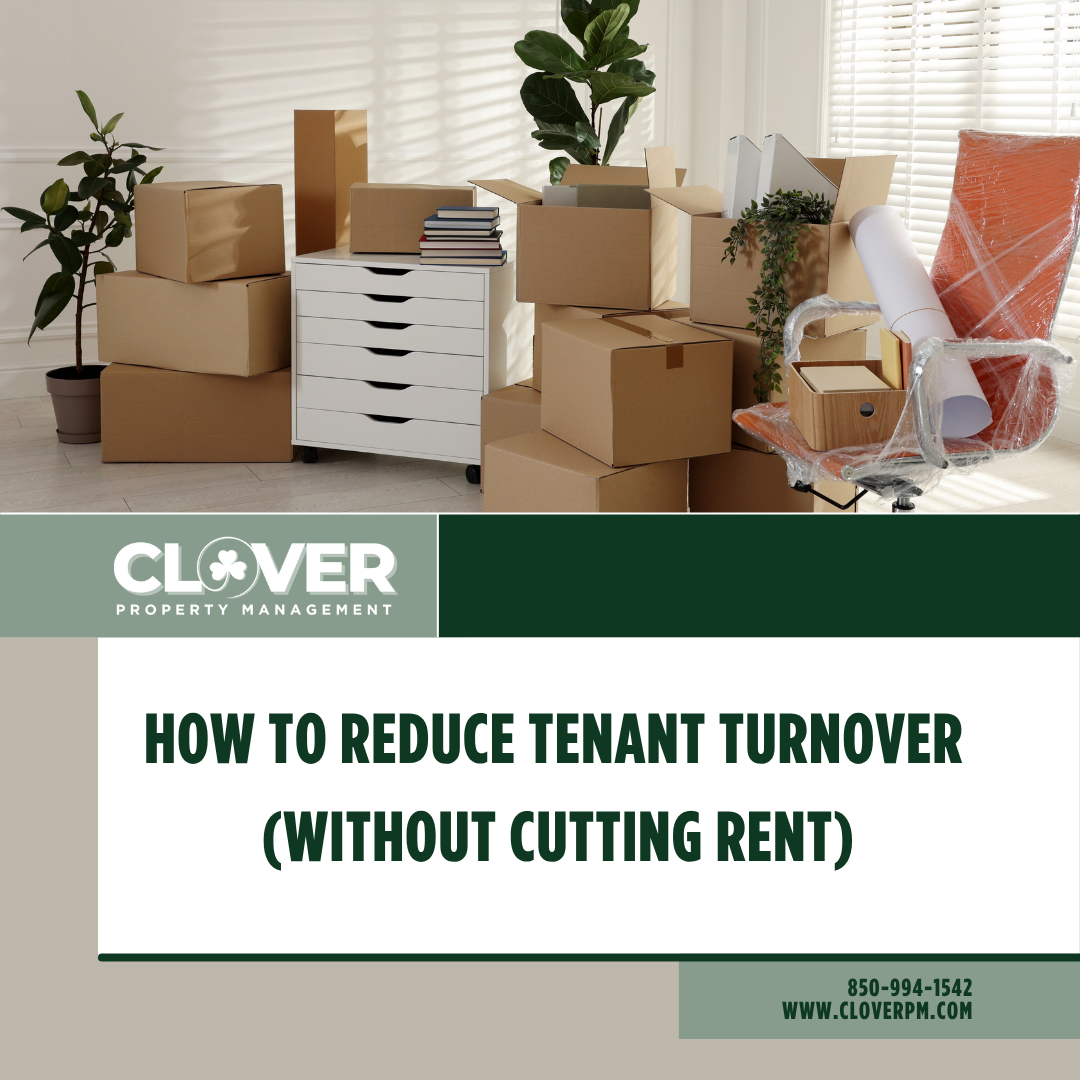
How to Reduce Tenant Turnover (Without Cutting Rent)
Tenant turnover is one of the most expensive problems rental owners face—and one of the most preventable.
Many landlords assume turnover is unavoidable or that the only way to keep tenants longer is to lower rent. In reality, rent price is rarely the main reason good tenants move. In Northwest Florida rental markets like Pensacola, Pace, Milton, Gulf Breeze, Navarre, and surrounding areas, the homes with the lowest turnover share a few clear patterns.
Here’s how to reduce tenant turnover without sacrificing income.
Why Tenant Turnover Is So Expensive
Every turnover triggers a chain reaction of costs:
- Vacancy time
- Cleaning and repairs
- Advertising and showings
- Leasing coordination
- Risk of selecting the wrong next tenant
Even a smooth turnover often costs $3,000–$6,000 when you combine lost rent and preparation expenses.
Reducing how often this happens is one of the biggest profit levers a landlord has.
Most Tenants Leave for Predictable Reasons
Good tenants usually don’t leave over small rent increases.
They leave because:
- Maintenance issues aren’t addressed quickly
- Communication feels unclear or slow
- The home feels neglected
- They don’t feel valued or respected
- The renewal process feels abrupt or impersonal
When tenants feel uncertain, they start shopping—often months before a lease ends.
Proactive Maintenance Keeps Tenants Longer
Nothing pushes tenants out faster than feeling ignored.
Low-turnover rentals prioritize:
- Fast response to maintenance requests
- Fixing small problems before they grow
- Preventative servicing of HVAC, plumbing, and appliances
In Florida’s climate, proactive maintenance isn’t a luxury—it’s retention insurance.
Communication Matters More Than Most Owners Think
Tenants don’t expect perfection.
They expect clarity.
Turnover increases when:
- Updates are vague or delayed
- Repairs feel uncoordinated
- Lease renewals feel rushed or confusing
Clear expectations, regular updates, and professional communication go a long way toward tenant loyalty.
Renewals Should Start Early (Not at the Last Minute)
Many turnovers happen because renewal conversations start too late.
The best time to talk about renewal is 60–90 days before lease expiration.
Early renewals:
- Reduce uncertainty
- Give tenants time to plan
- Prevent them from shopping elsewhere
- Allow reasonable rent adjustments without shock
Surprise renewals lead to surprise vacancies.
Small Improvements Beat Rent Discounts
Instead of cutting rent, many tenants value:
- Fresh paint
- Minor upgrades
- Carpet cleaning
- Improved lighting or fixtures
- Better maintenance follow-through
These changes cost far less than turnover—and often strengthen long-term retention.
Not Every Tenant Is a “Keep Forever” Tenant
Reducing turnover doesn’t mean keeping the wrong tenants.
The goal is to:
- Retain good tenants
- Encourage poor-fit tenants to move on
- Maintain property standards
Strong screening at move-in sets the stage for lower turnover later.
How Clover Reduces Tenant Turnover
At Clover Property Management, tenant retention is intentional—not accidental.
We reduce turnover by:
🍀 Responding quickly to maintenance needs
🍀 Communicating clearly and consistently
🍀 Conducting proactive inspections
🍀 Managing renewals early and strategically
🍀 Keeping homes in strong condition year-round
Fewer turnovers mean:
- Lower vacancy
- Lower repair costs
- More stable income
- Less stress for owners
Turnover Is Optional—If You Manage for It
Some level of turnover will always exist.
High turnover doesn’t have to.
If your rental feels like a revolving door, the issue usually isn’t the tenant—it’s the system.
Clover Property Management helps owners build rentals that tenants want to stay in.
📲 Visit www.CloverPM.com or call 850-994-1542 to schedule a rental performance review.
Keeping good tenants is easier—and more profitable—than replacing them.
You might also like
Clover Property Management Resources


Find Out What Your
Rental Property Could Earn
If you own a rental property in the Pensacola, Pace, Gulf Breeze, Navarre, or Milton area, the first step to maximizing your return is knowing your numbers. Our team will analyze your property, current market conditions, and rental demand to give you a realistic rent range and strategy.